Sound Frequency Guide
Sound comes in different frequencies — from deep bass rumbles to high-pitched whines. Understanding which frequencies are your problem is the first step to fixing it.

Bass & Rumble
Sounds like: Traffic rumble, bass music from neighbors, HVAC hum, airplane noise, subwoofers.
Why it's hard to block: Low-frequency sound waves are long — they pass through walls, floors, and doors easily. Standard drywall does almost nothing against deep bass.
How to improve: Add mass (double drywall, mass loaded vinyl), decouple surfaces (resilient channels, isolation clips), seal all air gaps.
Speech & Music
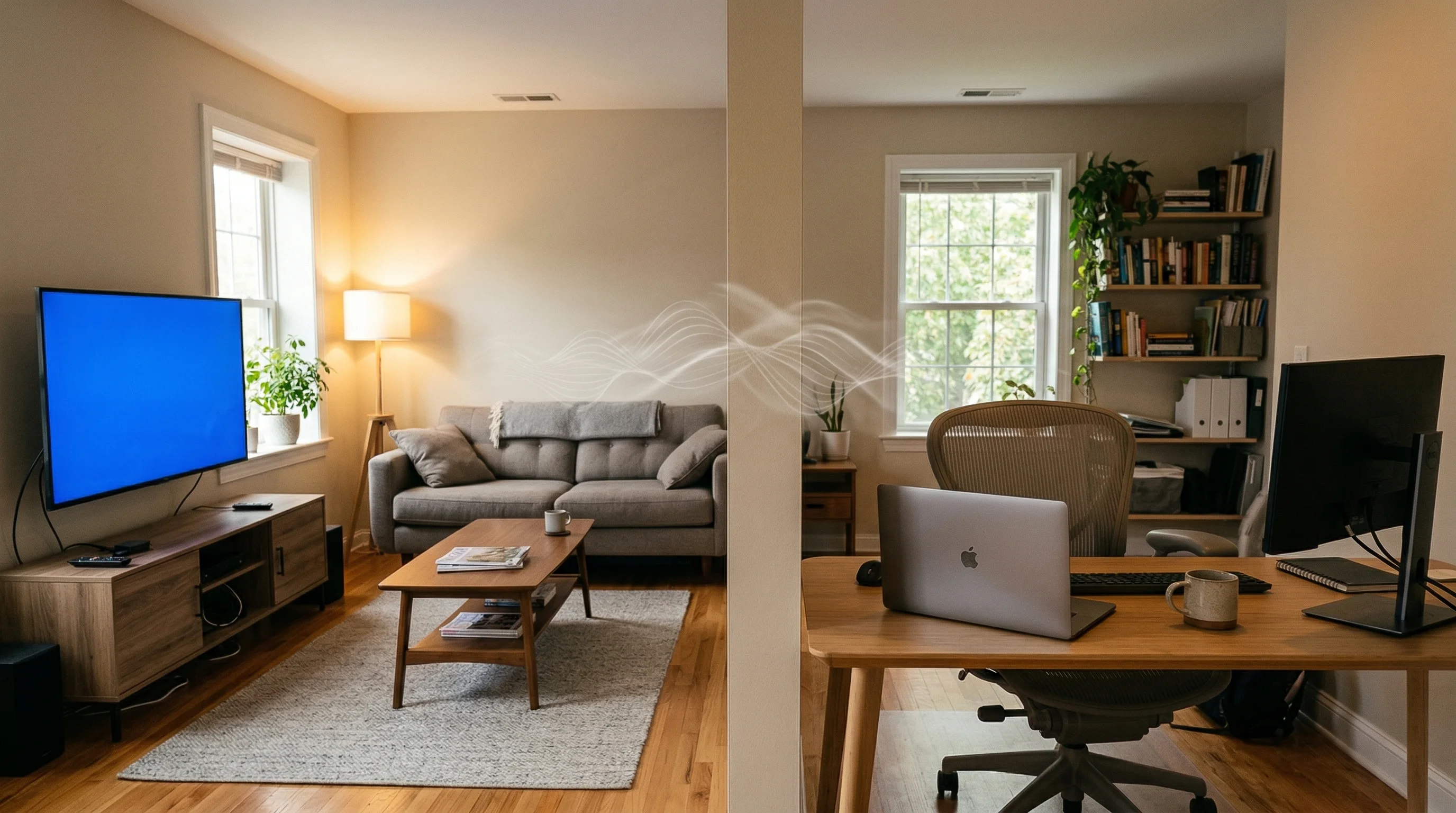
Sounds like: Conversation, TV audio, barking dogs, office chatter, most musical instruments.
Why it matters: This is the range where speech privacy happens. STC ratings focus heavily on this band. If you can hear your neighbor talking, you have a mid-frequency problem.
How to improve: Seal door gaps (weatherstripping, door sweeps), add insulation inside wall cavities, upgrade to solid-core doors, use acoustic caulk on edges.
High-Pitched & Sharp
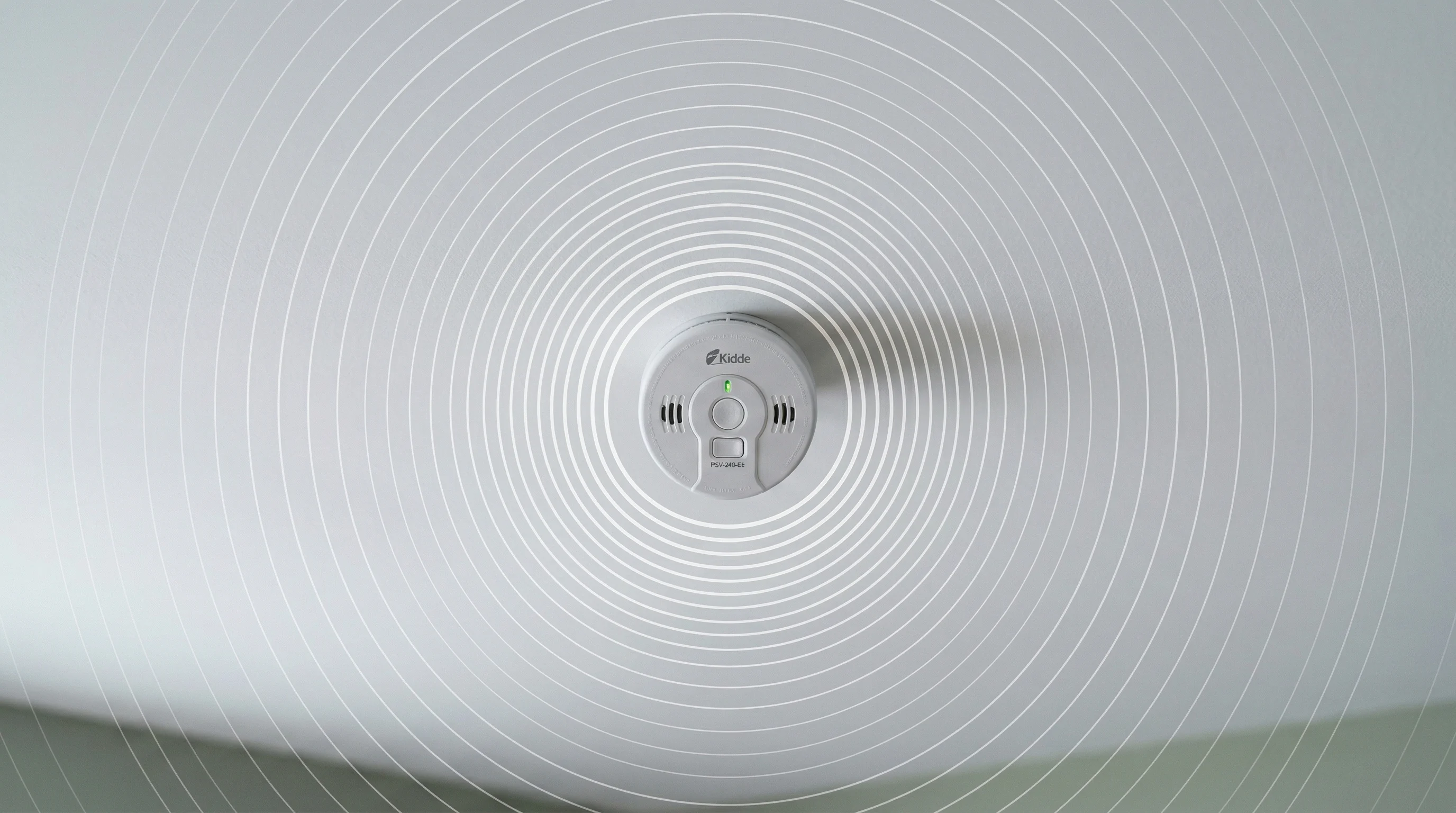
Sounds like: Alarms, whistle, high-pitched appliance whine, squeaky brakes, birdsong, sibilance in speech.
Why it's easier to block: High-frequency waves are short and lose energy quickly. Even thin barriers reduce them significantly.
How to improve: Most standard walls already block high frequencies well. If you hear them, look for air gaps — even a 1mm gap will let high frequencies through. Seal everything.
Find out which frequencies your walls block
QuietScore tests your walls and doors across the full frequency spectrum — so you know exactly where the problem is.
Download QuietScore — Free